
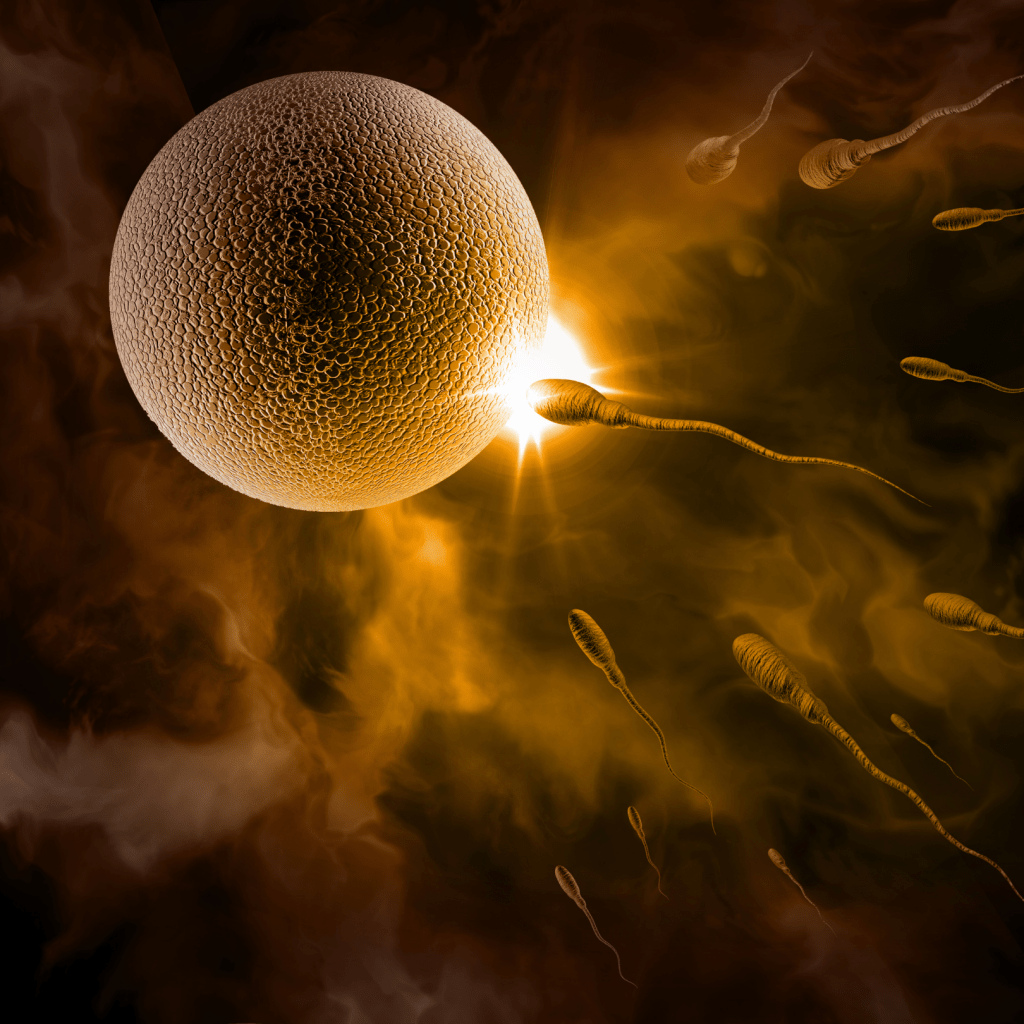
Eat enough calories. Nutrients are key for genetic programming (conception, implantation, healthy development), hormonal balance (especially between oestrogen and progesterone, the latter supports the growth of a baby), detoxification.
Quality eggs & sperm is what makes a healthy baby and give you higher chances at a healthy childbirth – remember it takes 3-4 months for one egg to mature!
Eat more of fatty wild caught fish, cod liver oil, organs, nuts in moderation, meat (steaks!), oranges, eggs, shellfish, roe, berries, kimchi/fermented veggies, raw carrots, living dairy (raw).
Fertility foods are simply put food high in bioavailable nutrients. Vitamins B, choline, selenium, iodine, zinc, omega-3, iron, antioxidants are what both eggs and sperm need for quality. This starts 3-4 months before the child is conceived. Being deficient at the time of conception = will affect your child even as an adult (insulin resistance, immunity, blood pressure).
Having this said, PLAN. Plan when you want to have a baby, prepare for it in time. Give your body time to heal from other pregnancies (rather than making it into a race), miscarriages or any other body trauma.
Learn how to de-stress. Stress empties your resources (antioxidants and nutrients). Stress doesn’t cause infertility per se but surely makes it harder to support healthy ovulations. Cortisol disrupts signals brain-ovaries hence affecting ovulation directly (PMID24664130).
Adrenaline from stress blocks progesterone making it harder to support a pregnancy and continue it (PMID29946210).
Sleep better. Get natural light in the morning and watch the sunset, sleep in complete darkness and change striking bright lights with yellowish or wax candle, stick to a regular bedtime every day/night.
Having no period = you’re not ovulating.


 JULIA'S WELLNESS TIPS
Leave a comment