
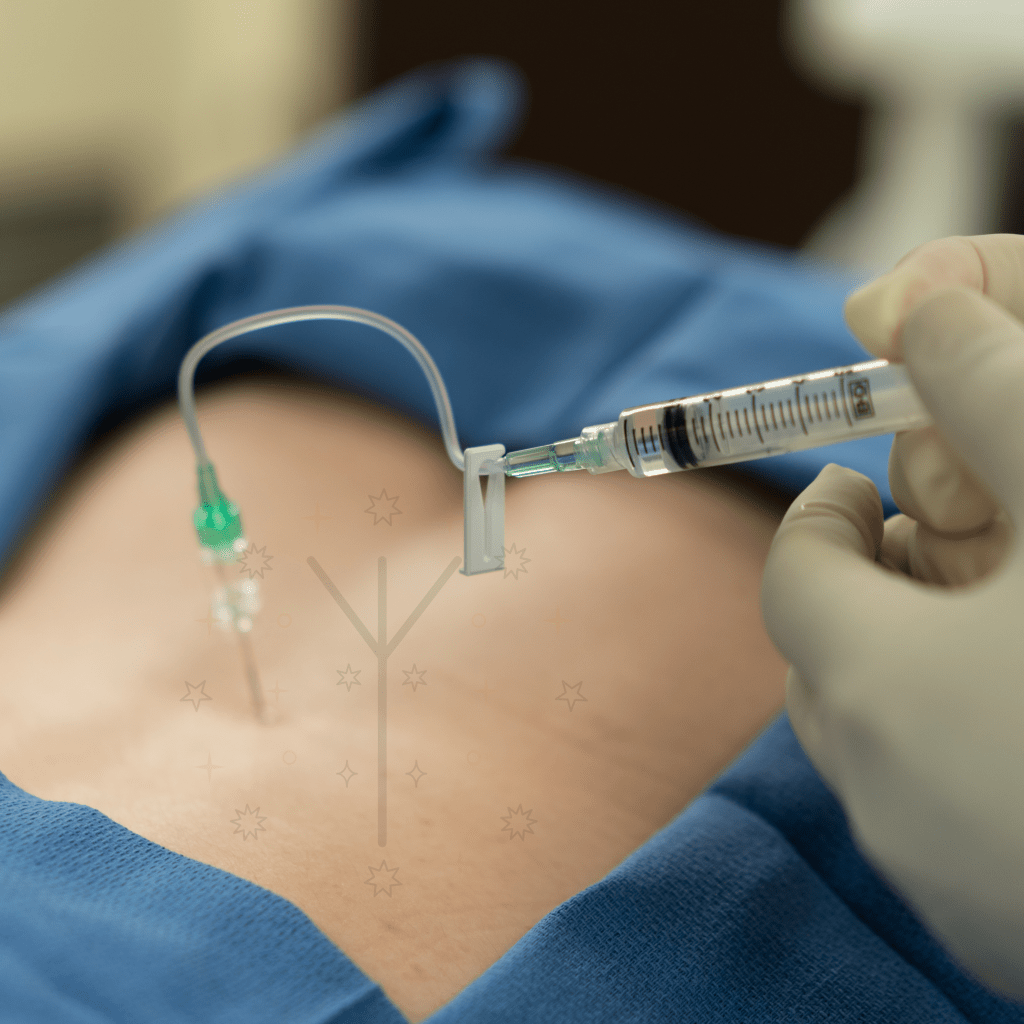
This longer article comes after I have posted a post in X that went viral especially among big accounts, talking about the excessive use of epidurals, their downsides but also about how to learn avoiding them. So overall, I talked about making an informed choice, an educated choice. There are surely too abrupt circumstances when a woman might need an intervention, but in most cases epidurals are overused.
In this article, I will aim at informing you of the methods you have as a soon-to-be mother, pregnant woman, around pain management. My goal is to familiarise you with the fact that you have control over your sympathetic nervous system and you can overcome fear and stress if you practice enough.
For many modern women, the epidural has become the default approach to labour pain. In many hospitals across Europe and North America, more than 60–75% of first-time mothers receive an epidural. That is a lot.
While epidural anaesthesia can be extremely helpful in certain situations, such as extremely prolonged labour, medical complications, or severe exhaustion, it is rarely presented with a full explanation of its physiological trade-offs. Also, all these situations are arising from poor prevention methods.
Labour pain is not simply a random unpleasant experience. It is tightly connected to hormonal signalling, maternal mobility, and the newborn’s transition to life outside the womb.
Understanding the effects of epidurals, as well as low-toxic alternatives and preventive preparation, allows women to make informed decisions about birth.
HOW PRENATAL PREPARATION CAN HELP LABOUR PROGRESS EFFICIENTLY
As i have mentioned in my X post, many of the situations where epidurals are used (prolonged labour, exhaustion, stalled dilation) are closely tied to hormonal physiology, maternal energy availability, fetal positioning, and stress levels.
One of the most common reasons epidurals are used is prolonged or stalled labour. When labour stretches over many hours or even days, mothers often become exhausted and request pain relief.
However, labour efficiency is strongly influenced by prenatal preparation, energy metabolism, hormonal balance, and emotional state. Supporting these factors during pregnancy can reduce the likelihood of prolonged labour. This is something I constantly stress throughout my work.
ENERGY AVAILABILITY DURING LABOUR
Labour is physiologically comparable to running a marathon, many say. The uterus is a powerful muscle that contracts repeatedly for hours, and this process requires substantial metabolic energy.
If maternal glycogen stores and blood sugar levels drop, contractions may weaken and labour can slow down. For this reason, proper nutrition prior labour becomes crucial. What are most women advice to eat? Ice chips…
Try focusing on the following foods throughout your pregnancy and especially before labour starts:
- whole eggs
- dairy (milk, cheese, yogurt)
- fruit and honey for quick glucose (you can make your own homemade electrolyte drink to take with you into labour)
- root vegetables
- well-cooked meat and fish
- bone broth for minerals
Adequate carbohydrate intake is particularly important. Very low-carbohydrate diets during pregnancy may reduce glycogen availability needed for sustained contractions.
You should advocate for yourself and take some foods into labour, such as:
- fruit
- honey in warm tea
- freshly squeezed orange juice
- yogurt
- broth (filled with minerals, if you cook it in batch at home with all peels, recipe here)
Maintaining stable blood sugar may help contractions remain strong and coordinated.
Have you ever received proper prenatal nutrition advice from your obgyn or midwife that would aid your physiology into an easy labour? Unfortunately, most health professionals are deficient in Nutrition knowledge to be able to give proper advice.
MINERAL BALANCE FOR EFFICIENT MUSCLE CONTRACTION
The uterus is one of the strongest muscles in the human body. Like all muscles, it relies on proper electrolyte balance, I always insist on spreading this message because of clinical evidence and because of my own experience. Electrolytes have helped me so incredibly much throughout both of my labours (that have been 1-2 h short from first contraction to delivery) and into postpartum while remaining nourished and well-hydrated.
Each mineral has a purpose, follow the list:
- Magnesium: Helps muscles relax between contractions and may reduce cramping.
- Calcium: Required for muscle contraction signaling.
- Potassium and sodium at right ratio: Important for nerve impulses and muscle coordination.
Clinical evidence supports the fact that women who are deficient in these minerals may experience:
- more painful contractions
- inefficient contraction patterns
- fatigue
Some example of foods, aside electrolyte drinks, that support proper mineral balance would be:
- dairy products
- fruit
- 100% natural coconut water
- red meat or liver
- bone broth
AVOIDING SUBOPTIMAL FETAL POSITIONING
One of the biggest hidden causes of prolonged labour is suboptimal fetal positioning.
When the baby enters the pelvis in an inefficient position, contractions must work harder to rotate the baby. The optimal position is known as occiput anterior (baby facing the mother’s back), however the positions that are known to cause more trouble are:
- occiput posterior (“sunny-side up”)
- asynclitic positioning.
Preparation to engage your child into your pelvis into proper position must start weeks before delivery. And some of your options are:
- sitting upright rather than reclining for long periods (avoid armchairs that recline too much)
- spending time in forward-leaning positions (you can hum while doing this to experience further relaxation and prepare your cervix to open)
- pelvic mobility exercises
- gentle prenatal yoga (you do not need to pay for classes, there are plenty of free videos online)
All these positions allow gravity and pelvic mechanics to guide the baby into a favourable orientation. Has you midwife or obgyn talked to you about practicing these methods before scheduling you for induction?
PHysICAL CONDITIONING AND PELVIC MOBILITY
Regular movement during pregnancy improves circulation, muscle tone, and endurance. Even if you do not own a gym membership, do movements daily and try to walk at least for 30 minutes every day. It becomes extremely important to adjust fitness exercises to less intense sessions in the third trimester as we want the cervix to be relaxed and not tight from exercise upon delivery.
However, daily movement will improve outcomes for you during labour by: shortening labour, less fatigue as your cardiovascular system is working better, improved recovery.
You can choose from the following type of exercises:
- walking
- swimming
- prenatal yoga
- deep squats (when comfortable)
- gentle strength training
- a modified gym schedule for pregnancy if you have been in the gym before (you can get a free one online perhaps, or mine that is available here)
Strong legs, glutes, and pelvic muscles help support the mechanical work of birth. I experienced this especially during my first birth when my physical condition top.
Reducing stress and fear is crucial for an easy labour
Labour is strongly influenced by the balance between oxytocin and adrenaline. Oxytocin drives uterine contractions and labour progression. Adrenaline (released during stress or fear) can slow or stop labour because the body perceives danger. This is an evolutionary survival mechanism.
supporting production of oxytocin during labour
Something that hospitals do not really support but you need to prioritise while in labour:
- calm environment (something that hospitals do not put any sort of effort into, taking bright lights, noises, busy environment, staff conversations to be overheard, etc)
- dim lighting (especially red light is highly supportive and effective)
- minimal interruptions (allowing the mother to just be, allow her to trance)
- familiar people present (have your husband with you, have your mother with you, have a support person with you that you feel comfortable with, at complete ease)
- music or comforting sounds (baby night lamps here come in very handy if you do not have a red light, use a baby night lamp or your Spotify on flight mode with a downloaded soundtrack of ocean waves or binaural beats)
Relaxation practices during pregnancy can train the nervous system to remain calm during contractions. Has your obgyn or midwife talked to you about naturally supporting oxytocin?
Other methods would include:
- breathing exercises (check here for beginners)
- meditation (this is a very easy guided meditation, you do not need to believe in chakras or anything but to learn how to relax, find here)
- hypno-birthing techniques (YouTube offers many free hypno-birthing techniques, check here)
- visualisation (this is powerful if you have a strong mind and willingness and overall are a positive person)
PROMOTING ENDORPHIN PRODUCTION DURING LABOUR
The body produces natural opioids called endorphins during labour. Endorphins increase pain tolerance and help many women enter a focused, trance-like state during active labour.
As with the activities mentioned above, some of these will help you connect your mind and body and support a steady endorphin production:
- meditation
- rhythmic breathing
- prenatal yoga
- lukewarm baths
These activities train the nervous system to tolerate intense physical sensations.
REST BEFORE LABOUR IS CRUCIAL FOR STEADY ENERGY LEVELS
One underestimated factor in maternal exhaustion is sleep deprivation before labour even starts. Early labour can last many hours. Women who enter labour already exhausted often struggle to cope with contractions. You will need to:
- prioritise sleep in the final weeks of pregnancy
- rest during early labour
- eat small meals to maintain energy (preferably the foods we have discussed above, do not exclude carbohydrates!)
CHOOSE YOUR SUPPORT DURING LABOUR
Studies consistently show that women supported by a doula, experienced midwives or knowledgeable birth partners have shorter labours, lower epidural rates, fewer interventions.
Continuous support helps mothers stay relaxed, hydrated, nourished, and emotionally grounded. This is hardly the environment we meet at any hospital as everyone is a stranger, you see the team for the first time and everyone wants to make the process as quick as possible to leave the room to the next mother incoming. Also, there is no prevention offered from your obgyn or midwife prior to labour regarding this. Most countries do not have extensive care support nor offer doulas or midwives or women of support in the last period of pregnancy that would help the woman or guide her into an easy delivery. You are driven by car quickly by your partner straight into a cold super bright room and you are supposed to somehow outperform and deliver.
It does not work like that and professionals should start understanding this and respect the female physiology instead and support women into easy deliveries avoiding complications.
PREVENTION HELPS AVOIDING COMPLICATIONS, LEARNING EMPOWERS YOU, LEARN BEFORE LABOUR
Prolonged labour and exhaustion are not random events. They are often influenced by metabolic energy, mineral balance, fetal positioning, emotional state and maternal conditioning.
Modern women are deficient in most of these fates: there is hardly enough information about supporting your metabolism and health properly through pregnancy (there are more restrictions places on nutrition than nutrients available for women to consume), there is absolutely no information given to women about the importance of their mineral balance or making electrolyte drinks part of their almost-every day routine in pregnancy, there is absolutely no information about practices on how to engage the baby naturally but there is a strong push into scheduling induction appointments (which very often end up in C-sections as labour does not start naturally), and there is absolutely zero support provided for emotional state, no free gym memberships or wellbeing centers or even free schedules or tracking methods for fitness.
When these factors are supported throughout pregnancy, labour often becomes more efficient and manageable, reducing the likelihood that medical pain relief becomes necessary. I will end this article by providing some studies if you are interested about different subjects I have touched throughout this text.
the known implications of fentanyl epidural on infants
Modern epidurals often include a low-dose opioid such as fentanyl. The best evidence suggests that most exposed newborns do not have major short-term distress at birth, but fentanyl is not completely confined to the mother’s spine. It reaches the maternal bloodstream and crosses the placenta, meaning the baby is exposed as well. The main neonatal concerns described in the literature are not usually catastrophic outcomes, but rather subtle changes in early alertness, feeding behaviour, and sometimes, breathing.
Randomized and pharmacokinetic studies found measurable fentanyl in umbilical blood after epidural use in labour, and maternal and umbilical concentrations rose with higher epidural fentanyl exposure. One pharmacokinetic study described a significant transplacental transfer, and another found umbilical venous fentanyl levels correlated with epidural dose.
In a widely cited study by Ransjö-Arvidson et al. (2001), newborns exposed to labour analgesia showed disturbance in spontaneous early behaviours tied to breastfeeding in the first hours after birth. In the randomized double-blind Beilin et al. (2005) study, the authors reported that higher total epidural fentanyl exposure was associated with more breastfeeding difficulty, particularly at higher doses.
A later observational study by Brimdyr et al. (2015) found that intrapartum exposure to fentanyl and synthetic oxytocin was associated with a lower likelihood of the baby suckling during skin-to-skin contact in the first hour after birth. That study cannot prove causation on its own, but it supports the concern that some newborn effects may be most visible in the golden hour, when alertness and instinctive feeding behaviors matter most.
Although not very common, there are published case reports of newborns developing respiratory depression after maternal epidural fentanyl and requiring naloxone. These reports do show it is biologically plausible and can happen.
After epidural placement, it is not uncommon for clinicians to observe temporary fetal heart rate decelerations on the monitor.
Pain during labour raises maternal adrenaline levels. When an epidural suddenly removes pain, adrenaline levels can drop rapidly while oxytocin rises. This hormonal shift may produce:
- stronger uterine contractions
- temporary uterine hyperstimulation
- transient fetal heart rate decelerations.
These changes are usually short-lived but explain why fetal monitoring is intensified after epidural placement. If a newborn is born with a lower heart rate (below about 100 beats per minute), the neonatal team follows standard resuscitation protocols. If heart rate remains low or breathing is weak, the baby may receive brief assisted ventilation using a mask and bag. In some situations where opioid exposure causes respiratory depression, clinicians can administer Naloxone, an opioid antagonist that reverses opioid effects.
While these are described as common but harmless effects, there are also other less common but documented negative effects associated with fetal exposure to opioids such as fentanyl during labour epidurals.
Neonatal RESPIRATORY DEPRESSION
One of the most concerning but rare complications reported is respiratory depression in the newborn. Because fentanyl is a potent opioid and crosses the placenta, in uncommon cases it can temporarily suppress the newborn’s respiratory drive. The signs of this include:
- slow or irregular breathing
- weak cry
- low oxygen levels
- decreased muscle tone
If this occurs, clinicians follow neonatal resuscitation protocols…that be sure they will deprive the mother from the golden hour. Case reports describing neonatal respiratory depression after epidural fentanyl have been published in anesthesiology and obstetric journals. These cases are uncommon but demonstrate that opioid transfer to the infant can be clinically relevant in certain situations.
LOWER NEUROBEHAVIOURAL SCORES
Some studies assessing newborn neurological behavior have found lower early neurobehavioral scores in babies exposed to epidural opioids.
These scores evaluate responsiveness to stimuli, alertness, reflexes and muscle tone. Research using the Neonatal Behavioral Assessment Scale (NBAS) found that some exposed infants showed increased sleepiness and reduced orientation or alertness in early hours.
DIFFICULTY INITIATING BREASTFEEDING
A number of studies have reported dose-related breastfeeding difficulties associated with epidural fentanyl exposure. Some infants exposed to higher fentanyl doses showed shorter or less effective first feeds, weaker rooting reflex and delayed latch. Here we have different outcomes but it might end up putting a lot of stress on the mother and lowering the chances of successful breastfeeding.
CHEST WALL RIGIDNESS
A rare, but existing, opioid-related phenomenon described in anaesthesia literature is opioid-induced chest wall rigidity. This is well known in anaesthesia practice with high intravenous doses but is very rarely reported with labour epidurals, where doses are much lower. Nevertheless, it illustrates the pharmacological potency of fentanyl and its effects when not administered properly. In moments like these, you are putting your child’s fate into the hands of the anaesthetist. It is surely something to think about.
I encourage learning about your options before birth. While most babies exposed to epidural fentanyl are born healthy and adapt normally, research shows that opioids administered during labour can cross the placenta and occasionally produce short-term effects in the newborn. If that is OK with you, you can very well consider the epidural. But do remember you do not need to go through it if you prepare yourself with the above mentioned tools. Or at best, you can have a chance at lower drug use if you give a try to the alternative pain management methods (laughing gas and preventive tools mentioned above).
Rarely reported outcomes include transient respiratory depression, altered neurobehavioral scores, breastfeeding difficulties, and the need for brief neonatal monitoring. These effects are typically temporary but illustrate that epidural medications can influence early neonatal adaptation.
I could conclude with the following thoughts:
Pregnancy has been treated as a ”disease” by our deficient conventional health system. Is that right? No. Pregnancy should be supported kindly, gently and women should be guided into labour wisely. Alas, nowadays this does not happen. Women are rushed into delivery, met coldly, and treated as handicapped to a certain extent. Women do not receive any useful information during their pregnancy nor any methods of prevention are being presented aside the usage of drugs, induction and surgery.
We must understand that, while there is a time and place for emergency medicine, and thank goodness it exists, we must be realistic and positive about the deep, beautiful and simply divine meaning of birth. Birth must be gentle and the current health industry does it best to offer just the opposite. Why, do we wonder? Can it have something with lowering fertility rates? Can it have something to do with an increasing amount of women being scared to their death about the simple ”delivery” word? Can it have, perhaps, something to do with the need for pharmaceutical companies to constantly supply hospitals and delivery wards, pharmacological investing companies,…? Perhaps.
My intention with this article is very clear: know your options. Know the possibilities available there for you. Know that not every birth story needs to end up in tragedy. Know that even if you choose to have an epidural, if you have informed yourself and you have gone through all the preventive methods you were hereby informed with, you did the right thing. Sometimes things do not turn out the way we want or wish, it is OK. But at all times, do everything you can to protect your child and yourself, because, no matter how friendly or how big of a smile the nurse at the reception at your hospital showed to have, in that room it will be only you and you partner or support and your child. At the end of the day, no one cares more about you and your child than yourself and your beloved.
Learn learn and learn some more.
Continuous Support for Women During Childbirth: 2017 Cochrane Review Update Key Takeaways
A Randomized Control Trial of Continuous Support in Labor by a Lay Doula
Effect of Oral Carbohydrate Intake on Labor Progress: Randomized Controlled Trial
Dietary management in the first stage of labor: A scoping review
The metabolic implications of maternal exercise: effects on pregnant women and their offspring
Anim-Somuah M., Smyth R., Cyna A. – Epidural versus non-epidural or no analgesia in labour
Lieberman et al. (1997) – Intrapartum maternal fever and neonatal outcome


 JULIA'S WELLNESS TIPS
Leave a comment